AI UGC Video Ads for US and Canadian Brands: Costs, Rules and Workflow
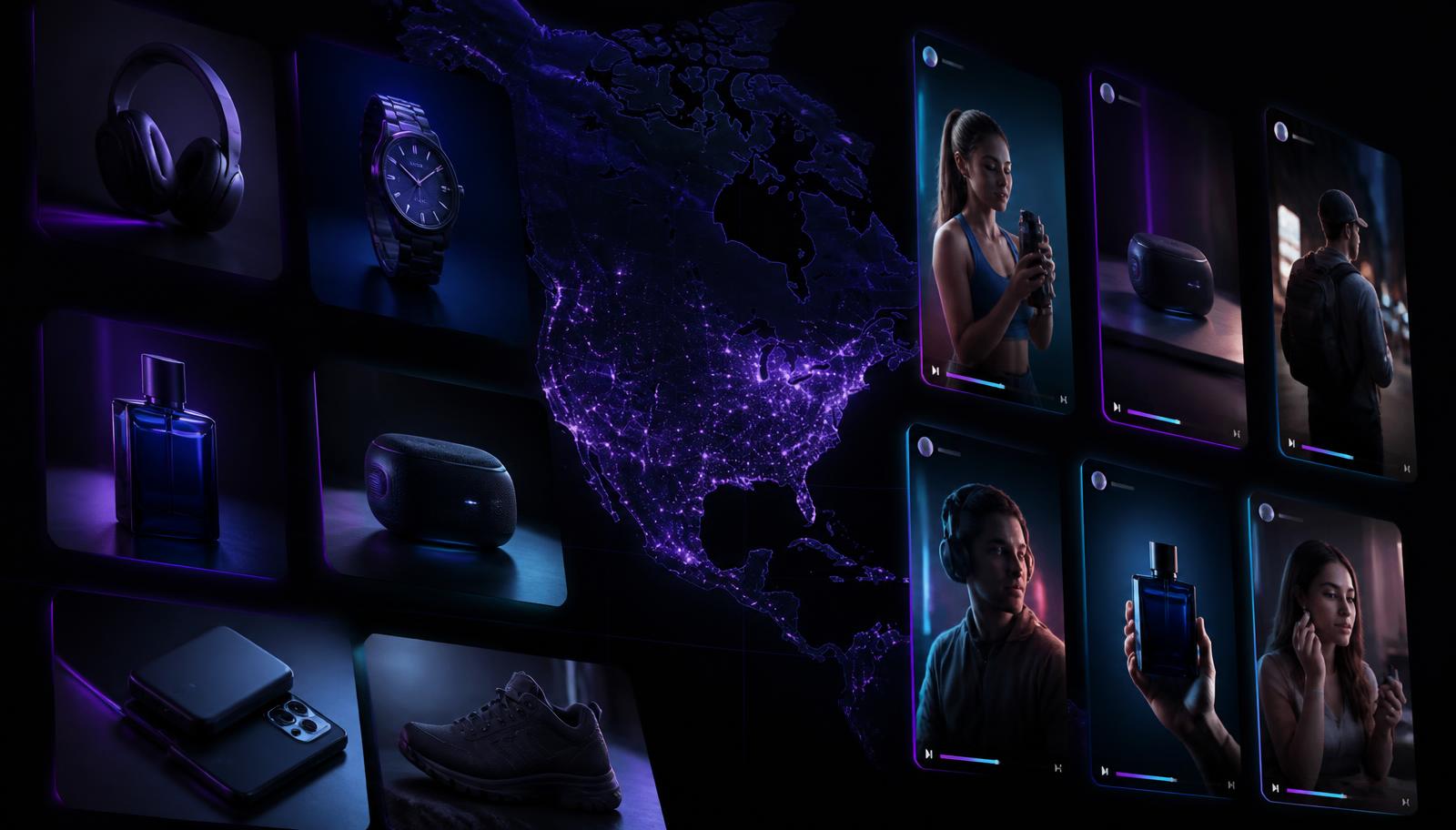
Hiring a UGC creator in the US or Canada typically runs $150–$400 per video, before revisions and usage rights. AI-generated UGC changes the maths of creative testing entirely. Here's what actually matters: what it costs, what you are allowed to publish, and how to run a test that produces a winner instead of six mediocre ads.
The real cost comparison
A traditional test batch of six UGC videos costs roughly $900–$2,400 and takes one to three weeks including shipping product to creators. The same six concepts generated with AI cost a handful of credits and land the same afternoon. That does not make AI UGC strictly better — a genuine creator with an audience still converts differently — but it changes what you can afford to test.
With XM Promo Services, a 10-second ad costs 5 credits and a 15-second ad costs 10, and new accounts start with 50 free credits.
Disclosure rules you need to follow
In the United States, the FTC treats AI-generated endorsements the same as human ones: an ad may not imply a real customer said something they never said. Its Endorsement Guides explicitly cover fabricated testimonials. In Canada, the Competition Bureau applies the general prohibition on materially false or misleading representations to synthetic media as well.
Meta and TikTok both require advertisers to label realistic AI-generated content in their ad tools. The safe pattern: use AI creators for demonstration, explanation and lifestyle framing — not for claims of personal results — and enable the platform's AI-content toggle.
- Never present a synthetic creator as a verified real customer
- Never fabricate results, ratings or before/after claims
- Use the AI-content disclosure toggle in Meta and TikTok Ads Manager
- Keep substantiation for every product claim in the script
A testing workflow that actually finds winners
Test hooks before you test creators. The first three seconds carry most of the variance in short-form performance, so generate one script with five different opening hooks and hold everything else constant. Only once a hook wins do you vary the creator, the pacing and the call to action.
- Round 1: five hooks, one script, one creator — find the hook
- Round 2: winning hook, three creators — find the face
- Round 3: winning combination, two CTAs and two lengths
- Retire a creative once frequency passes ~2.5 in a cold audience
Where images fit in the pipeline
Strong product stills feed better video. Generate the hero image first with the free no-signup image generator, confirm the styling reads well at thumbnail size, and only then build the video around it. It keeps your creative consistent across the feed, the product page and the ad.
Frequently asked questions
Do AI UGC ads perform as well as real creator videos?
For cold-traffic prospecting and hook testing they perform comparably in many accounts, because the hook and the offer drive most of the result. For trust-heavy categories, real creators with audiences still tend to win on retargeting.
Do I have to disclose that an ad is AI-generated?
Yes on Meta and TikTok for realistic synthetic content, and you must never imply a synthetic speaker is a real customer. Both the FTC in the US and the Competition Bureau in Canada treat fabricated testimonials as deceptive.
How many credits does a video ad cost?
A 10-second ad costs 5 credits and a 15-second ad costs 10 credits, so the 50 free credits on signup cover several full test creatives.
Try it yourself — no signup needed
Generate 3 free AI images right now with no account. Create a free account afterwards and get 50 credits for images and UGC video ads.